Pro Clima Team
June 29, 2026


June 29, 2026
In New Zealand homes, moisture does not only arrive from the outside. Rain, wind and cladding leaks are obvious risks, but everyday living also produces water vapour inside the home. Cooking, showering, breathing, drying clothes, and all add moisture to the air. If that warm, moist air moves into wall or roof cavities and meets colder surfaces, condensation can form where you cannot see it.
That is why builders, designers and homeowners often search for terms like vapour barrier NZ, vapour control layer, airtightness membrane, vapour control membrane and condensation control NZ. They are all trying to answer the same question: how do we stop moisture from damaging the structure while still allowing the building to dry?
While a traditional vapour barrier might sound like an answer, in New Zealand’s timber-frame, above-ground homes, an intelligent vapour control system is a smarter way to manage risk.
A traditional vapour barrier is a material with very high resistance to water vapour movement. The idea is to stop vapour from passing through the building assembly. In theory, this can help prevent warm indoor moisture from reaching cold structural layers.
The first problem is that buildings are rarely perfect. A vapour barrier may be punctured by services, power points, fixings, downlights or poor installation. It may also be placed on the wrong side of the insulation for the climate or wall build-up. Once moisture gets into the assembly, a vapour barrier can then limit the ability of that wall or roof to dry, even if that layer caused the leak by being poorly sealed in the first place.

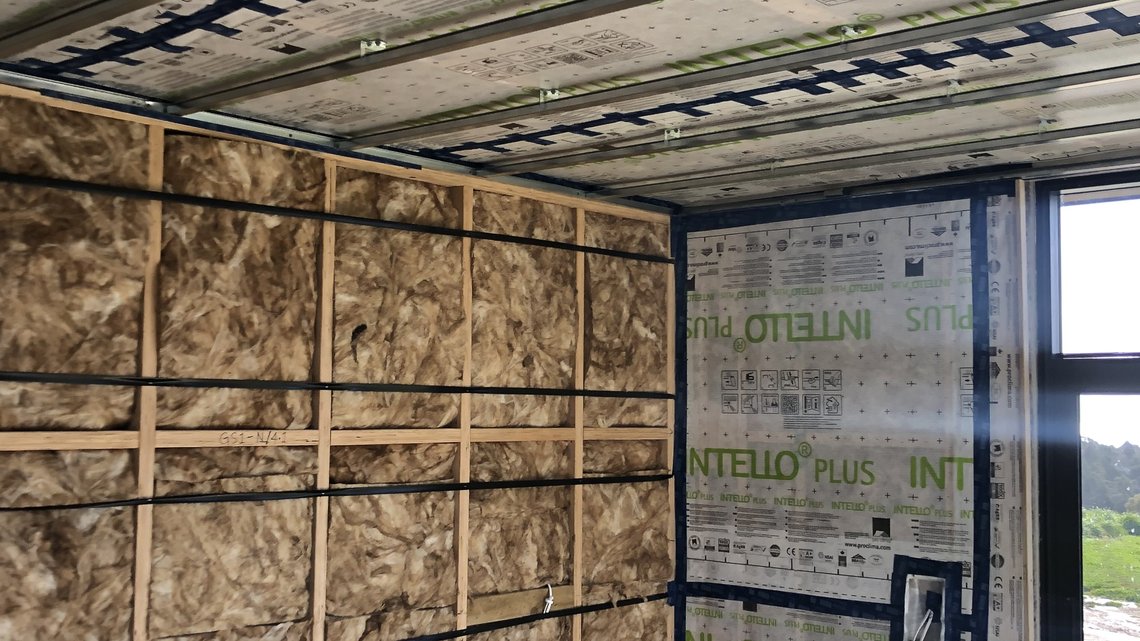
The second and more important problem: moisture doesn’t just go outward. When it’s warmer outside in summer, or when cladding is warmer in the sun than inside, moisture gets driven inward. If there’s a vapour barrier in the way, it will stop moisture in the frame. Not ideal.
The key issue then: traditional vapour barriers are designed to block. But good building design is not about blocking moisture. It is about controlling moisture and creating drying potential.
Vapour control is more nuanced. Instead of treating moisture as something that must always be stopped, it manages how and when vapour moves through the building envelope.
The goal is to reduce moisture entry when the building is at risk, while still allowing drying when conditions change. This is especially important in New Zealand, where homes can experience a mix of cool winters, humid indoor conditions, strong sun, coastal exposure and variable daily temperatures.

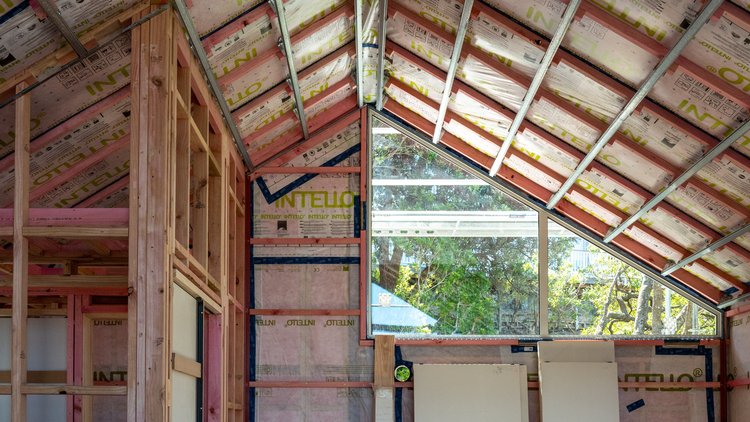

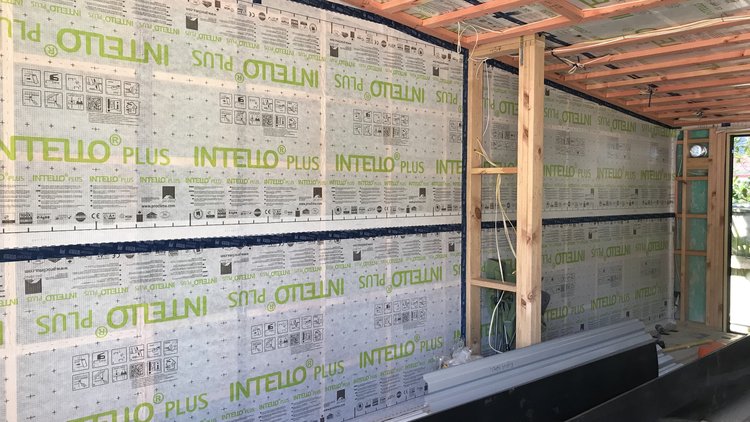
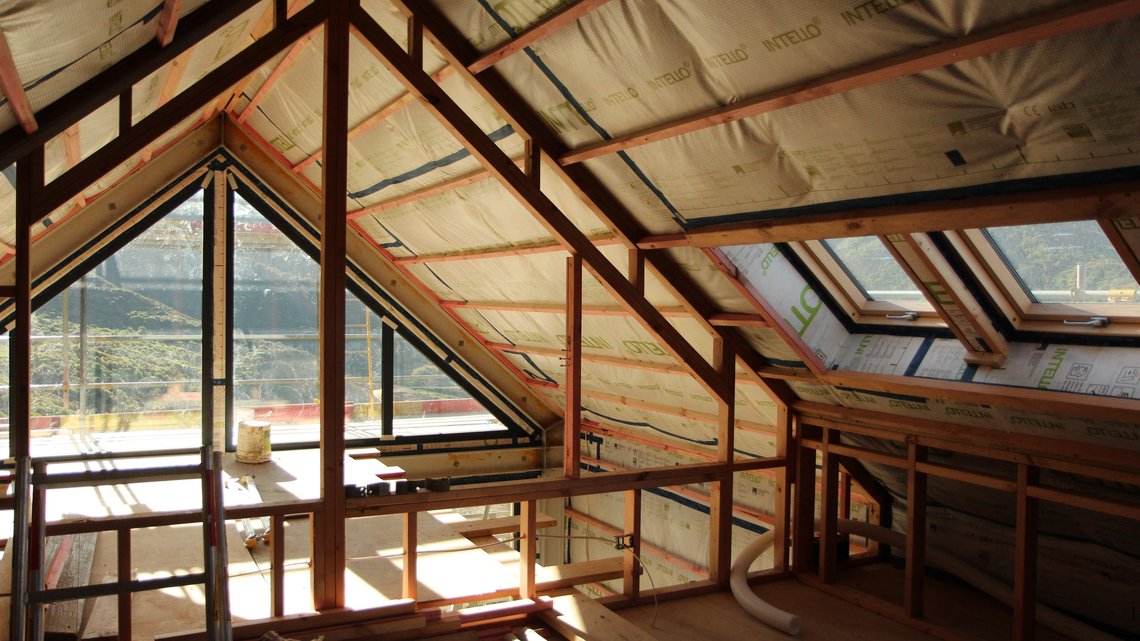
That is where Pro Clima INTELLO® is ideal. In New Zealand, INTELLO® is used on the interior side of the insulation as part of a high-performance airtightness system. It acts as both an air barrier and an intelligent vapour control layer, helping reduce uncontrolled air movement while supporting safer moisture management within the wall or roof assembly.
A traditional vapour barrier is a material with very high resistance to water vapour movement. The idea is to stop vapour from passing through the building assembly. In theory, this can help prevent warm indoor moisture from reaching cold structural layers.
The first problem is that buildings are rarely perfect. A vapour barrier may be punctured by services, power points, fixings, downlights or poor installation. It may also be placed on the wrong side of the insulation for the climate or wall build-up. Once moisture gets into the assembly, a vapour barrier can then limit the ability of that wall or roof to dry, even if that layer caused the leak by being poorly sealed in the first place.

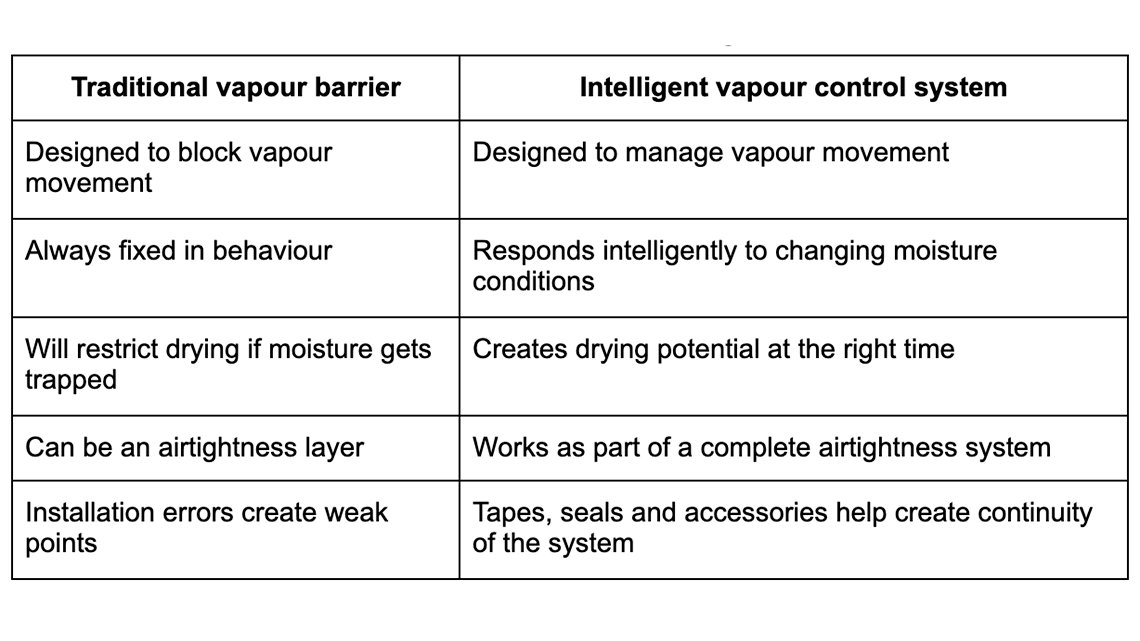
These differences matter because moisture management is not achieved by one element alone. It depends on the full system: the membrane, the tapes, the junctions, the service penetrations, the window details, the wall underlay, the roof underlay, the quality of installation, and many more factors.
One of the most common misunderstandings is that vapour control is only about diffusion through materials. In reality, air leakage can move moisture into building cavities far more directly.
Small gaps through service penetrations, ceiling penetrations (lights), wall junctions or unsealed membrane overlaps can allow warm, moist indoor air to leak into colder areas of the structure. Once there, that air can cool and release moisture as condensation.

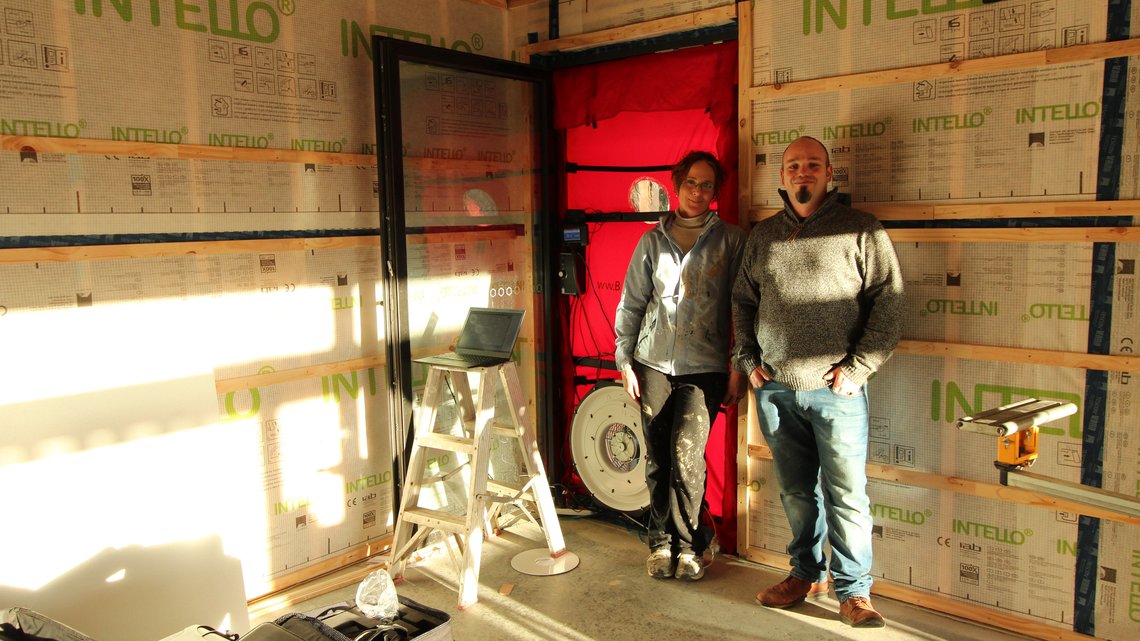
This is why Pro Clima focuses on airtightness systems with vapour control. An airtightness membrane helps control the movement of air through the building envelope. When paired with the right vapour control properties, it helps protect insulation, framing and linings while still allowing for drying. This results in durability of the structure, improved comfort (completely draft-free homes) and, by default, energy performance.
For the interior, INTELLO® is the key product to consider. For the exterior, the airtightness strategy should be supported by a weathertightness system, including products such as SOLITEX EXTASANA® underlay for external walls, SOLITEX EXTASANA ADHERO® building wrap for self-adhered wall and roof applications, or SOLITEX MENTO® roof underlay.
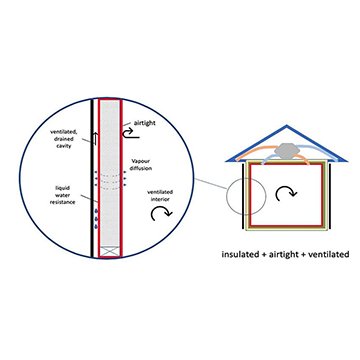
A moisture-safe building envelope is usually vapour-controlled on the inside and protected from weather on the outside.
On the interior, the vapour control layer helps manage moisture from indoor air. On the exterior, the wall underlay or roof wrap helps protect the structure from the elements, such as wind-driven rain, while allowing drying to the outside. When these layers are detailed well, the building has a much better chance of staying dry, warm and durable.
Product compatibility matters. A chosen membrane is only one part of the equation. The tapes, grommets, adhesives and sealants used to connect the membrane are just as important. Pro Clima Connection Accessories help create continuous airtightness and weathertightness layers across junctions, overlaps, penetrations and tricky details.
Before choosing a vapour barrier, ask these questions:

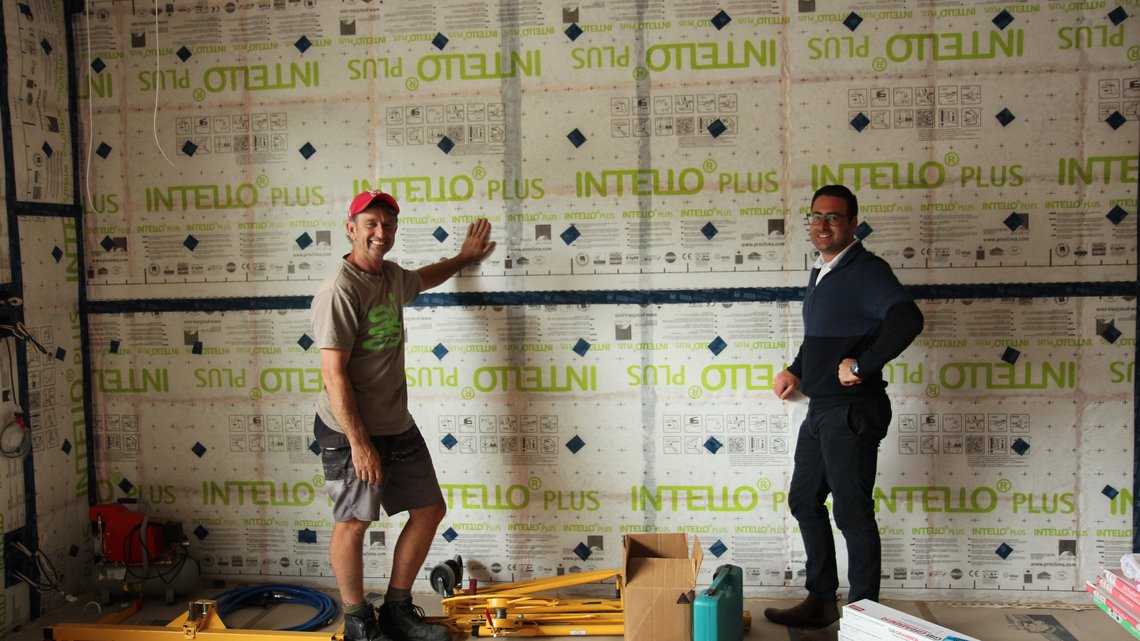
For designers and builders, the next step is to use the right technical resources early. Pro Clima’s Construction Details Library, Downloads, Specifications, Product Catalogue and Technical Articles, Installation Training and Technical Customer Support can help turn good product choices into reliable site details.
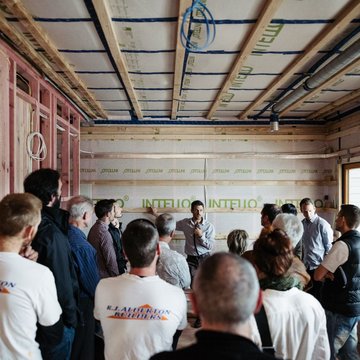
For teams wanting to lift their building-envelope hands-on application expertise, the pro clima Building Envelope Workshop and Certified Installer Training are a useful resource. For practices aiming to gain further building science knowledge and education, the company organises an annual Building Science conference, or a series of webinars called pro clima Knowledge Zone.
Traditional vapour barriers are based on a simple idea: stop vapour. But New Zealand buildings need a holistic strategy. They need to control air movement, manage vapour, preserve drying potential and protect the structure from both internal moisture and external weather conditions.
Start with INTELLO®, the intelligent vapour control system that does not rely on one layer doing the job. It combines air barrier and vapour control layer functions with compatible tapes, sealants, grommets, and exterior membranes. It is all about helping New Zealand homes stay healthier, drier and more durable for the long run.
For full-building-envelope thinking, explore Pro Clima Airtightness Systems and Weathertightness Systems. For exterior wall and roof protection, consider SOLITEX EXTASANA®, and SOLITEX EXTASANA ADHERO® and SOLITEX MENTO® membranes.
Learn more about vapour control in an EBOSS Article or see our resources for more information.

A single one-millimetre gap in a building envelope can let in 1,600 times more moisture through air convection than can occur with vapour diffusion through the same materials, turning high-performance insulation into a breeding ground for structural rot and toxic mould.
While many people default to using traditional vapour barriers to block water, these materials often trap moisture inside the assembly and create long-term structural decay. Understanding the physics of dew points, flank diffusion, and the crucial difference between predictable diffusion and moisture ingress through uncontrolled air convection is essential for protecting any modern building.
Read the full breakdown of moisture control physics and discover why designing for maximum drying potential with intelligent airtightness systems is the only way to safeguard your structure.