Airtight Air Barrier and Vapour Control Systems for NZ Buildings










Smart Vapour Control Systems for NZ Conditions
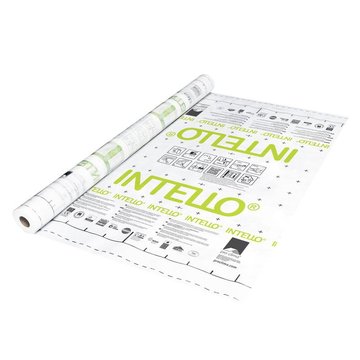
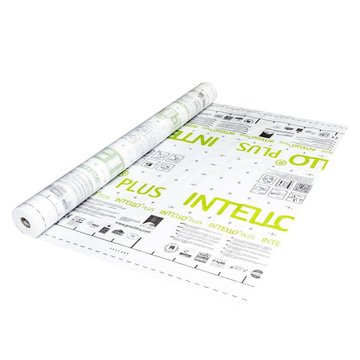
Pro Clima airtightness systems use advanced vapour control membrane technology to manage moisture and air movement within the building envelope. Unlike traditional vapour barriers, INTELLO & INTELLO PLUS act as a smart, humidity-variable vapour control layer, adjusting its permeability based on humidity levels. This allows structures to be protected during colder months while enabling drying when conditions change. Designed for NZ construction projects, these systems combine a high-performance air barrier with intelligent vapour control to improve airtightness, reduce condensation risk, and support long-term durability. INTELLO PLUS is not a vapour barrier, but a reinforced, high-performance vapour control layer that supports moisture-safe construction.
Why Standard Vapour Barriers Fall Short in NZ Conditions
Many traditional vapour barrier membranes are static, meaning they perform the same regardless of seasonal conditions. In New Zealand’s mixed climate, this can create performance risks. In winter, moisture from inside the building can migrate into the wall cavity and condense within the structure. In summer, that same moisture can become trapped with limited ability to dry out. In these conditions, a standard wall vapour barrier can contribute to long-term damage, including mould growth and degradation of insulation and framing.
The INTELLO PLUS takes a different approach. As a smart, humidity-variable vapour control layer, it becomes more resistant to moisture diffusion during colder conditions, helping prevent condensation within the structure. When humidity levels increase around the membrane in summer conditions, it becomes more vapour open, allowing moisture to dry toward the interior. For architects and builders across NZ, this means more resilient assemblies, improved moisture safety, and greater confidence in long-term building performance without hidden risks.

Designed for Real Installation and Long-Term Performance
Pro Clima airtightness systems are built to perform on real sites, not just in theory. The membrane is flexible, easy to install, and designed to integrate with tapes, sealants, and connection systems to form a continuous airtight layer. When used as an internal air barrier and vapour control layer in walls and ceilings, it helps ensure consistent performance across the entire building envelope. Backed by robust testing and supported by local technical guidance, the INTELLO PLUS intelligent airtightness system helps ensure an airtight building envelope is achieved successfully.
Airtightness FAQs
What is an airtightness and vapour control system?
An airtightness and vapour control system is a continuous interior control layer that limits uncontrolled air movement and water vapour diffusion into insulated assemblies. It includes the flexible membrane plus compatible tapes, adhesives and grommets. Performance depends on continuity, substrate preparation, installation quality and the design of the complete assembly.
Is an airtight membrane the same as a vapour barrier?
No. Firstly, a vapour barrier is a barrier to manage moisture movement, with a typical product being a polyethylene sheet between ground and concrete floor. This ‘plastic sheet’ stops airflow too, but does not perform the same function as the airtightness membrane ‘INTELLO’.
So, while airtightness limits airflow, which can carry large amounts of moisture through gaps, a vapour control layer also manages diffusion through materials. INTELLO® membranes do both airtightness and vapour control, but they are diffusion-variable rather than permanently vapour-closed like a vapour barrier. A vapour control function prevents moisture flow into the structure while also allowing for drying.
Where is INTELLO® PLUS installed in a wall or roof?
INTELLO® PLUS is installed on the interior (warm) side of fibrous insulation in walls and ceilings.
In New Zealand's climate, up to one-third of the wall's insulation can sit on the interior side of INTELLO PLUS. Account for the roof or wall build-up, exterior layers and indoor moisture load. Follow our current installation guide, and ask us for a project-specific review for unusual assemblies.
How does a humidity-variable membrane support drying?
A humidity-variable membrane changes its vapour resistance as the surrounding humidity changes. INTELLO® becomes more vapour-tight when the assembly needs protection from interior vapour, and more vapour-open when conditions favour inward drying. This helps assemblies dry, but it cannot fix leaks, trapped construction moisture or an unsuitable assembly design.
Ask us for help with a suitable assembly, or see our Construction Details Library.
Does an airtight home still need ventilation?
Yes. An airtight home needs deliberate ventilation for fresh air and moisture removal. Airtightness stops accidental leakage through the building envelope. Ventilation provides controlled air exchange through opening windows or, ideally, a mechanical ventilation system. The ventilation strategy should suit the occupancy, moisture loads and compliance requirements.
What is the difference between INTELLO® and INTELLO® PLUS?
Not much. Both INTELLO® and INTELLO® PLUS are humidity-variable air and vapour control membranes.
INTELLO® PLUS is reinforced, which makes it suitable for blown-in insulation and robust enough for building sites.
The non-reinforced INTELLO® is typically used in protected prefabrication factories. The ‘PLUS’ refers to the strengthening grid laid into the product during manufacture and is clearly visible in the finished material.
When is DASATOP® used instead of an interior INTELLO® membrane?
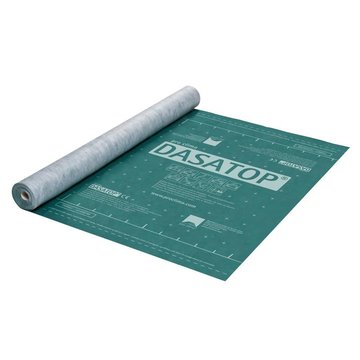
DASATOP® is designed for roof renovations where the airtightness and vapour control layer has to be installed from the outside. Once the roof cladding is removed, it is laid over the rafters and across the existing ceiling/interior lining. It is not a substitute for INTELLO® in new construction. Follow the DASATOP® installation guide.
Can INTELLO® be specified for pools or other high-moisture buildings?
Not without careful checking. Pools, commercial laundries, commercial kitchens and other high-moisture uses are outside the scope of BRANZ Appraisal 1149. These projects need a specific moisture-load assessment and direct technical input before products are selected. Hygrothermal modelling is recommended because climate, use, ventilation and every layer in the assembly affect condensation and drying risk.
How are INTELLO® laps, edges and wall junctions made airtight?
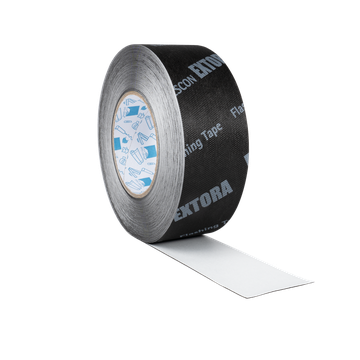
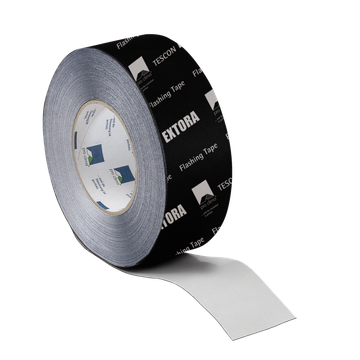
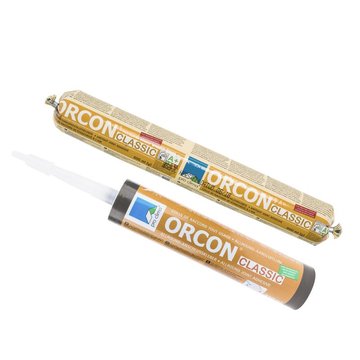
TESCON® VANA adhesive tape seals membrane overlaps, TESCON® PROFIL seals INTELLO® to windows, and ORCON® CLASSIC liquid adhesive connects it to floors. Bonds need clean dry, sound substrates, firm pressure and the recommended overlap or adhesive bead size.
We offer several variations of tapes for connections to windows to cope with the wide variety of window materials and profiles, and expectations of weather and thermal performance.
Does the INTELLO® increase the R-value of the insulation?
The function of insulation is to trap air molecules. The INTELLO Intelligent Airtightness System (IAS) prevents air movement through the insulation, thereby allowing the insulation to work to its specified R-value.
So the answer is no; it does not increase the R-value, but it does allow the insulation to function optimally.
What is a service cavity?
An optional continuous cavity for electrical and plumbing services can be created on the inside face of the external wall by fixing battens horizontally or vertically over the INTELLO membrane before installing wall lining.
The main advantage of a service cavity is to shift the plumbing and wiring out of the insulation layer. It also reduces the penetrations through the airtightness membrane, allowing easy and fast installation of services. A service cavity also eliminates pressure points on the inner lining (e.g. plasterboard) from insulation expansion.
How should electrical services and pipe penetrations pass through an airtight layer?
Where practical, reduce penetrations by running services in a battened service cavity on the room side of the airtight layer.
Use KAFLEX or ROFLEX grommets for cables and pipes, and INSTAABOX for flush electrical boxes where needed. TESCON tapes can also be used to seal penetrations.
When should a Blower Door test be carried out?
Our INTELLO® Installer QA Checklist calls for a Blower Door test once the INTELLO® airtight layer is complete, with results recorded against any specified air leakage target. Testing while the layer is still accessible makes leaks easier to find and fix. The project brief may also require a final test, e.g. to meet a Homestar or Passive House airtightness target.
Does BRANZ Appraisal 1149 make every INTELLO® design compliant?
No. BRANZ Appraisal 1149 supports INTELLO® systems only within its stated scope, which includes specified timber or steel framing and walls or ceilings with fibrous insulation. Pools, high-moisture commercial spaces and unventilated membrane roofs are excluded. Building Code compliance still depends on the complete design, correct product selection, installation and the chosen compliance pathway.
Take Control of Airtightness and Moisture Control
Learn more about our INTELLO air barrier and vapour control system. Pro Clima’s nationwide team can help you find the right solution for your project.