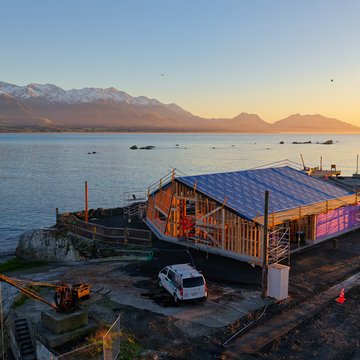
pro clima’s TEEE-based weather resistive barriers feature a non-porous, monolithic film that blocks liquid water and prevents salt-laden air and dissolved salts from passing through to the building structure. The film remains stable in coastal environments, maintaining its waterproof and vapour-permeable properties despite prolonged exposure to salty sea air.
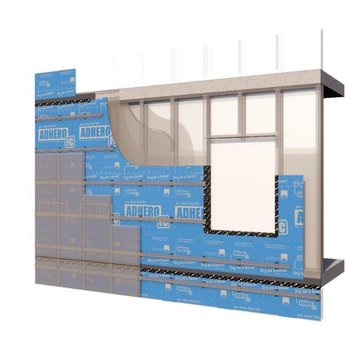
Traditional loose wall wraps are failing under extreme wind pressures. Discover how the fully adhered FORTX™ and FORTX™ MELIOR systems are setting a new benchmark in facade performance, offering total design freedom, early close-in, and standalone AS/NZS 4284 compliance.
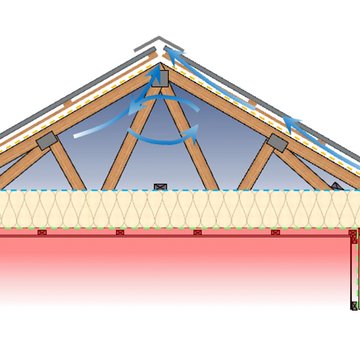
Ventilation alone won't dry a cold roof space. Jon Davies explains why sealing the ceiling at every scotia gap and around every unsealed downlight does more to reduce condensation than any vent.
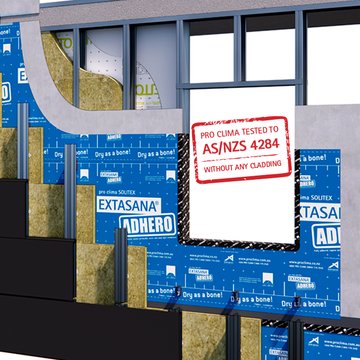
Pro Clima put FORTX and FORTX MELIOR through AS/NZS 4284 with the cladding left off, and the systems still passed. Here's what changes when the weather defence is already done before the façade goes up.
Passive House is not a design style or a specific material. It is a rigorous international performance standard. This guide covers exactly what the standard measures, what changes when you apply it in New Zealand, and where envelope detailing typically succeeds or fails on site.
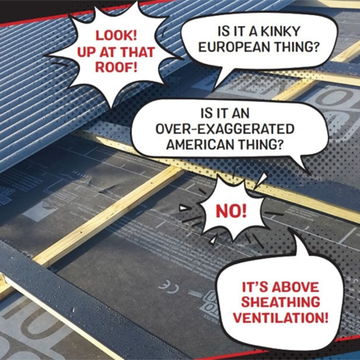
Above-sheathing ventilation (ASV) uses solar energy to induce airflow between the cladding and the membrane by heating the roof cladding and warming the air in the cavity below.
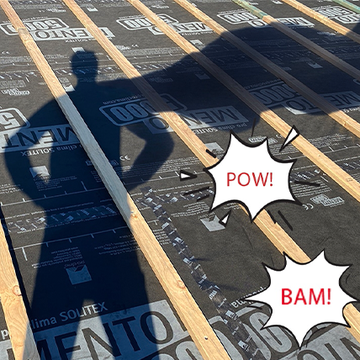
In Part 2 of this series, our brave new roof used Above Sheathing Ventilation (ASV) to battle the dark forces of winter. But summer brings another set of challenges.
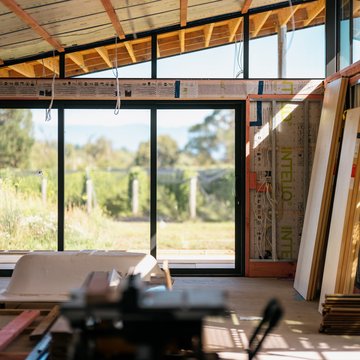
Protecting the building structure early with high-performance weather barriers allows interior trades to begin work before cladding is installed, reducing construction delays without compromising moisture management.
Higher insulation levels change how a building handles moisture, requiring a coordinated approach between intelligent vapour control and mechanical ventilation to prevent structural damage.
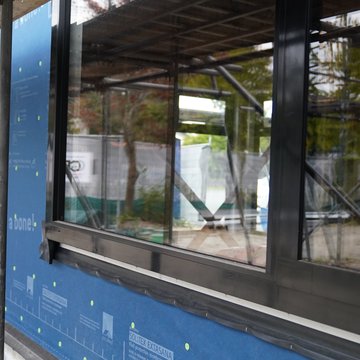
It is very important that all aspects of the window are taken into consideration, including the frame system, double glazing, window size, and the connections between the window and the wall.
In New Zealand, it's crucial to get building layering right for summer and winter. Modern buildings include an intentionally airtight shell to conserve energy, whether for warmth or coolness.