Pro Clima Team
February 28, 2026


February 28, 2026
Integrating a robust ventilation strategy into the building envelope from the start of a project is essential to ensure both systems function as intended. This requires treating the ventilation system as a core component, not an optional feature to be removed for cost savings. For instance, in a recent mid-rise residential project, late changes to the ventilation approach conflicted with existing ductwork and airtightness layers, causing costly rework, delays, and reduced performance. Addressing ventilation requirements early saves time and resources while supporting the building's longevity.
At Pro Clima, we provide independent guidance on ventilation strategies during the early design phase, sharing building science best practices and tailored solutions. Our technical advice remains grounded in the unique needs of each project.
We help homeowners and design teams make informed decisions and work on-site with builders to provide installation checks, troubleshooting, and training. This hands-on support verifies correct product application and resolves technical challenges to deliver healthy, durable, high-performance homes.
But what specific technical challenge are we solving?
Regardless of whether you are using a standard design or aiming for Passive House certification, creating a healthy indoor climate requires more than just meeting the updated NZBC Clause H1 insulation requirements.
In fact, adding more insulation fundamentally changes a building's thermal and moisture dynamics. Traditional construction methods in New Zealand are no longer sufficient. As thermal resistance increases, greater precision in managing water vapour is required to prevent structural degradation.

Internal moisture is an unavoidable result of occupancy. Everyday activities such as showering, cooking, and breathing release significant water vapour. In modern, highly insulated, airtight buildings, this moisture cannot escape as easily as before. Proactive management is necessary to prevent interstitial condensation, the main cause of mould growth and timber decay.
While NZBC Clause E3(Internal Moisture) and Clause G4(Ventilation) aim to protect occupants from fungal growth and poor air quality, current Acceptable Solutions fall short in meeting these objectives. Projects can still comply with the code while overlooking long-term moisture risks. For example, relying on intermittent exhaust fans and openable windows in bathrooms and kitchens without continuous ventilation remains common. In practice, homeowners often keep windows closed for security or comfort, and fans may not run long enough to remove daily humidity. This allows moisture to accumulate within the building envelope, leading to mould or timber damage. Exceeding minimum compliance is essential to protect your home from risks not fully addressed by the code.
External noise, security, local climate, and occupant behaviour often prevent effective use of windows. To ensure a building is fit for purpose, moisture must be removed from living areas and prevented from entering structural cavities.
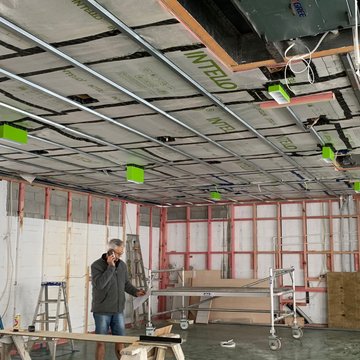
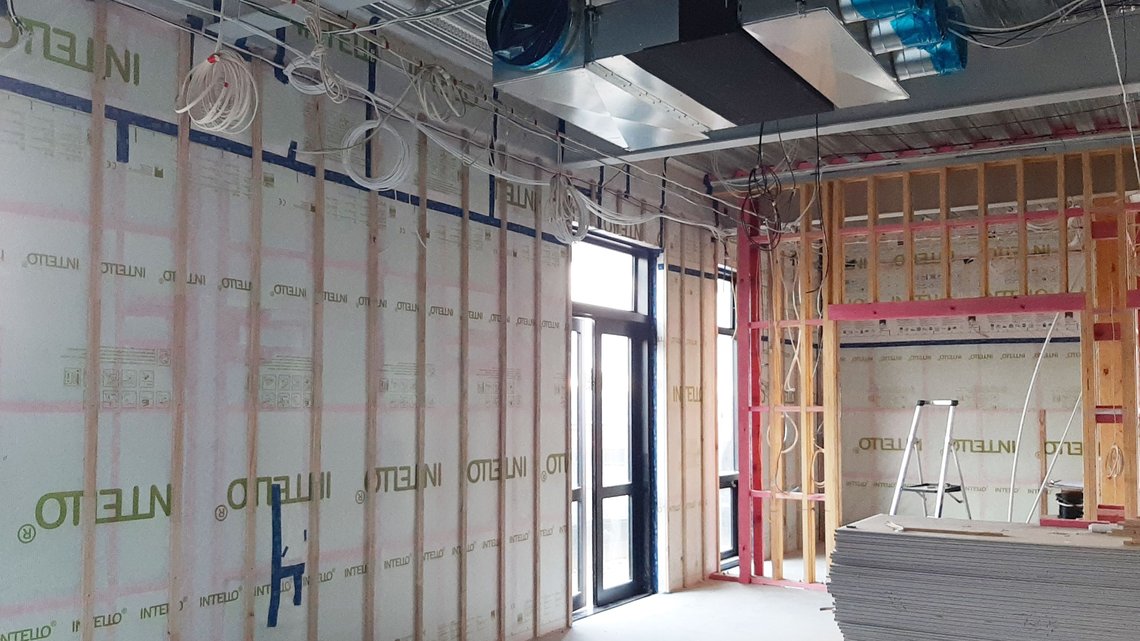
INTELLO® PLUS is more than an airtightness layer. It is an intelligent air and vapour control membrane (AVCL) designed to adapt to the seasonal stresses of the New Zealand climate:
This dynamic response significantly widens the "safety margin" for the building envelope, ensuring long-term durability even under high moisture stress.

Envelope control layers, such as INTELLO® PLUS, are only half of the solution. Every modern, insulated building requires a reliable method for extracting moisture at its source.
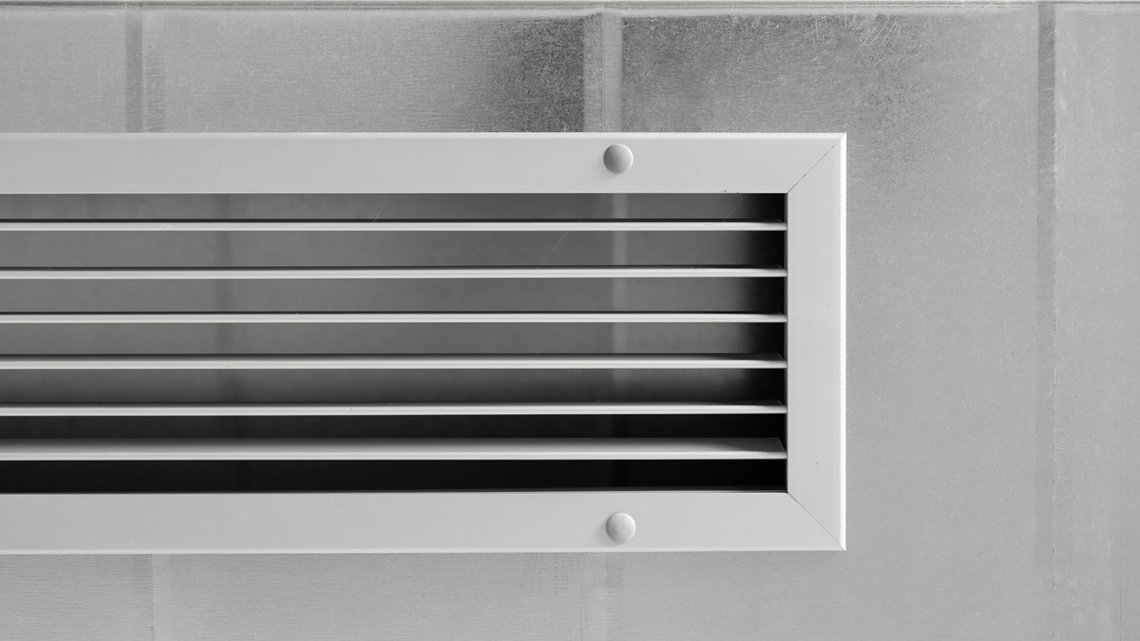
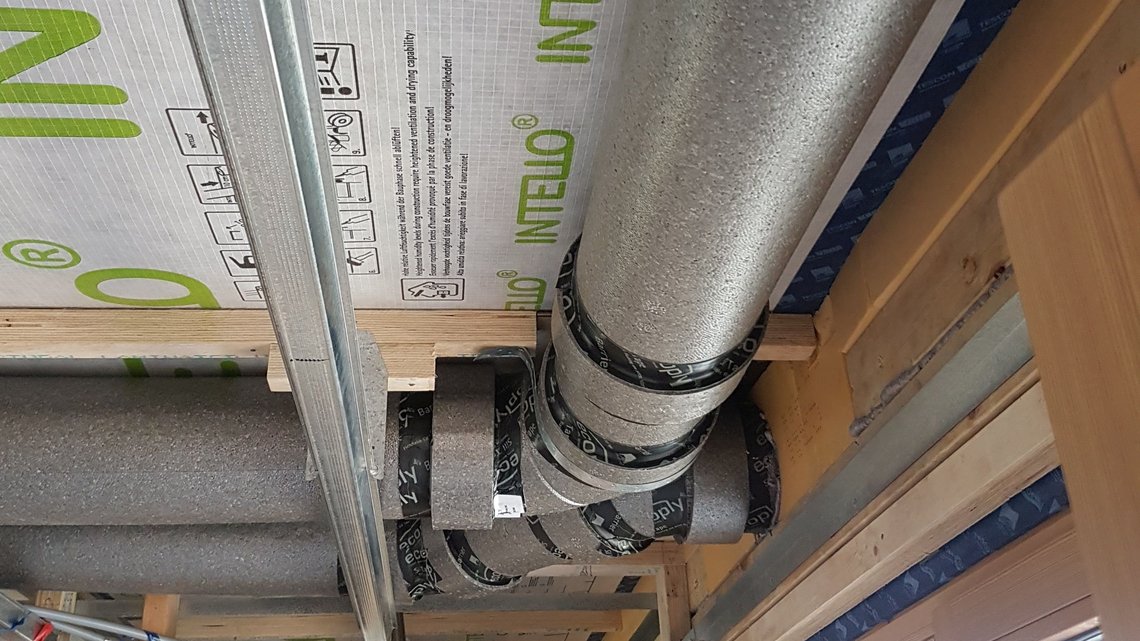
Mechanical Ventilation with Heat Recovery (MVHR) provides continuous, balanced air exchange independent of occupants. By extracting stale, damp air from wet areas and supplying filtered fresh air to living spaces, these systems stabilise indoor humidity and eliminate spikes that cause surface condensation, which openable windows cannot consistently prevent. Homeowners should note that MVHR systems require periodic maintenance, including filter changes every 6 to 12 months and keeping ducts and fans clean. Regular servicing maintains system performance and indoor air quality, supporting long-term comfort and reliability.
It is essential for contractors to brief homeowners on these maintenance requirements during the project handover. To support this process, the MVHR installer will provide comprehensive handover materials, including clear maintenance schedules and instructions for MVHR systems. This helps contractors ensure homeowners are well-prepared to manage ongoing maintenance and understand how to keep their ventilation systems running effectively.
Optimal performance is found at the intersection of intelligent vapour control and mechanical ventilation.
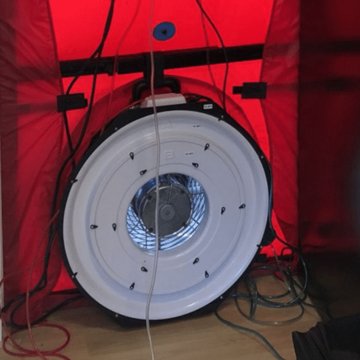
An airtight envelope using INTELLO® PLUS ensures air moves through designated ventilation pathways rather than escaping through cracks in the building fabric. This airtightness protects insulation R-value and eliminates uncomfortable draughts and cold spots.
Key Technical Advantages:
✅ Thermal stability: Minimises internal surface temperature drops.
✅ Efficiency: MVHR maintains fresh air without the energy loss associated with natural ventilation.
✅ Future-proofing: Delivers a home that is functionally superior to the minimum requirements of the New Zealand Building Code.
The Pro Clima technical team is available nationwide to discuss integrating these systems into your next design. Homeowners and contractors can book a free consultation or site assessment with our specialists.
Our team is committed to a straightforward consultation process, providing tailored guidance and hands-on support from design to project completion.
Contact us today to help ensure your project's longevity.