Pro Clima Team
March 19, 2026


March 19, 2026
Meeting project deadlines while staying compliant with building standards is a constant challenge in New Zealand. Bad weather and material delays often stall building work. To keep projects moving, many designers now choose envelope strategies that protect the structure early on, allowing work to continue inside while waiting for the final cladding.
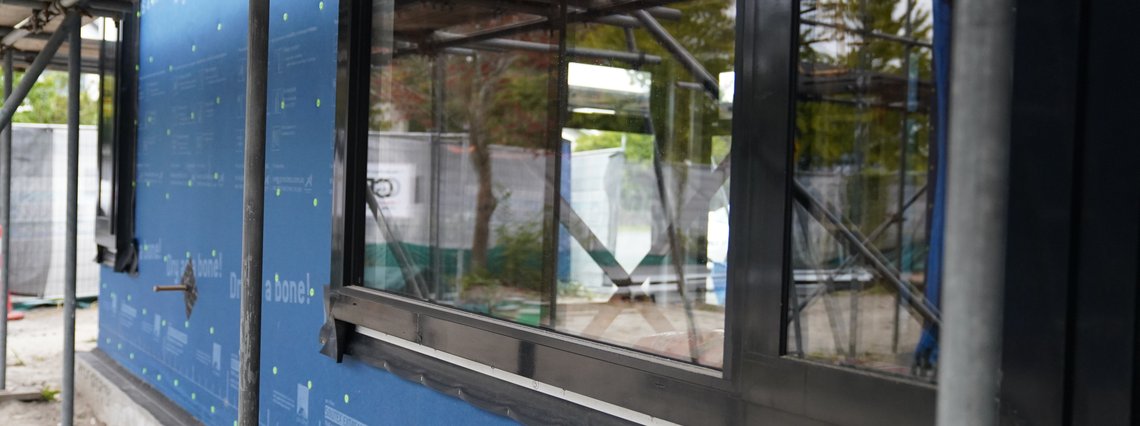
The pro clima Early-Close-In system utilises SOLITEX EXTASANA®, a high-performance Weather Resistive Barrier (WRB) as a temporary protective layer. This setup allows interior trades to start their work sooner, aligning the build speed with New Zealand Building Code (NZBC) requirements.
In a standard build, the interior team has to wait for the cladding to be finished and often for the framing to dry out enough to start insulation and lining. This linear way of working creates big delays if the cladding is late or the weather is poor.
By using an ECI strategy, the building wrap achieves a practical level of weathertightness much more quickly. Once the WRB is up and all windows, doors, and flashings are sealed, the building is protected enough for internal services to begin. This parallel workflow reduces wasted time, especially on exposed sites or in high-wind zones.

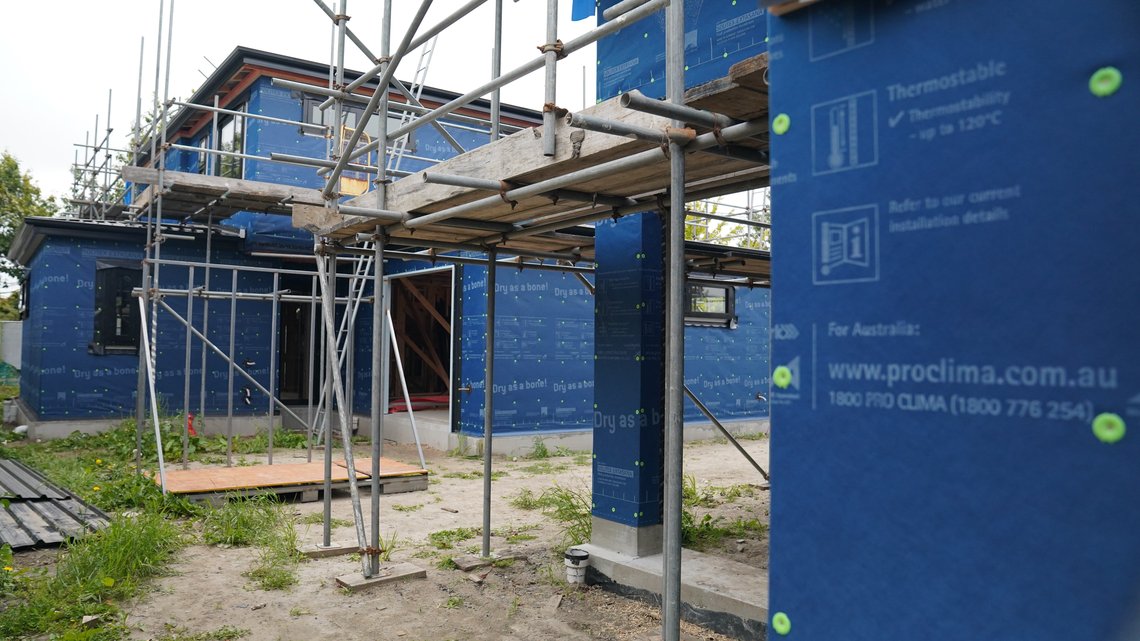
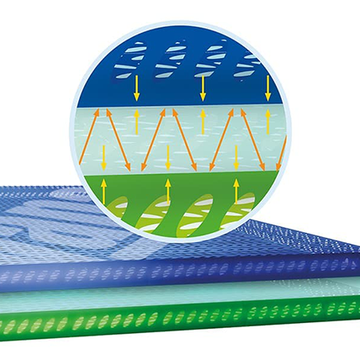
The success of this method depends on the quality of the wall underlay. Pro Clima SOLITEX® membranes use advanced monolithic technology with a non-porous TEEE layer. This creates a solid shield against wind and driving rain, keeping water out during construction and for the life of the building.
Unlike traditional micro-porous membranes that rely on tiny holes to breathe, monolithic layers stay waterproof even under wind pressure. These membranes provide:
Long-term health is just as important as short-term protection. SOLITEX EXTASANA®, the high-performance wrap used in pro climas ECI system, is highly vapour permeable, allowing moisture inside the wall frame to escape safely to the outside.
This balance supports compliance with several NZBC clauses:
By reducing the risk of moisture becoming trapped in the frame, the pro clima ECI system protects the home from the dampness that often leads to health issues for those living there.

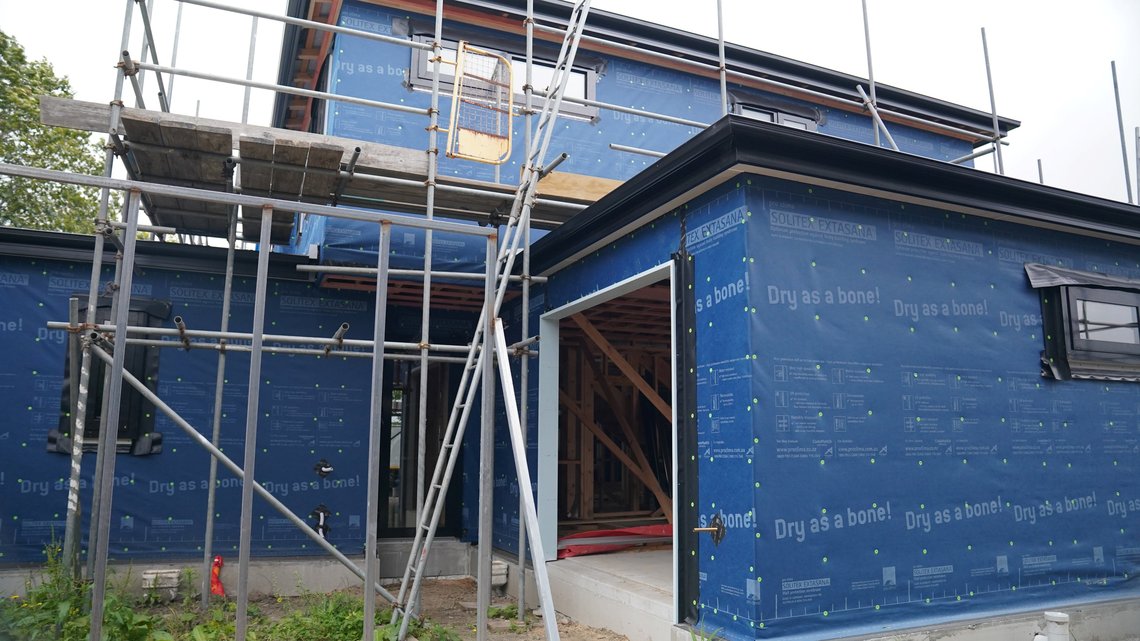
Early Close-In changes how we plan a build. By choosing building paper that can withstand long exposure and manage moisture more effectively, project managers can plan with greater confidence. Interior work can begin without compromising the building's integrity.
In an industry where delays are common, separating the temporary weather protection from the final cladding is a smart, science-based solution for the New Zealand environment. The pro clima Early-Close-In system is CodeMark certified, helping to simplify and streamline the compliance process.
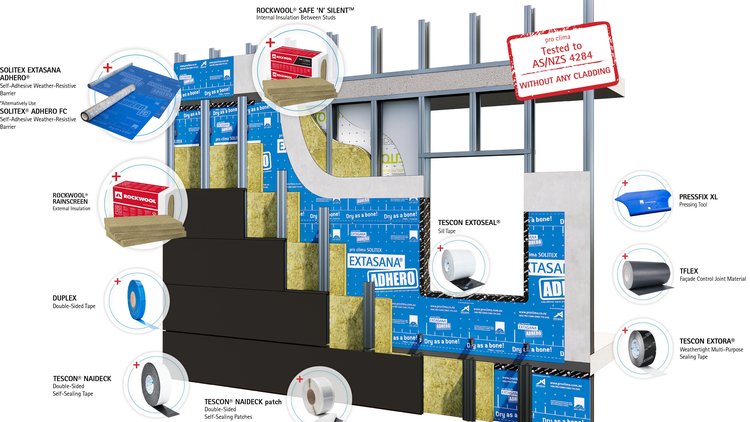
A healthy indoor climate requires a coordinated approach between the internal vapour control layer and the external cladding. The FORTX system works alongside pro clima membranes to provide a verified secondary line of defence against bulk water.
By integrating this system into the building envelope, you protect the frame's structural integrity and maintain the air quality standards required for sensitive occupants.
Explore the FORTX technical documentation and construction details to see how this system supports a moisture-safe design.