Roof Underlay & Exterior Membrane Systems | Roofing Paper

High-Performance Roofing Underlay Systems for NZ Conditions
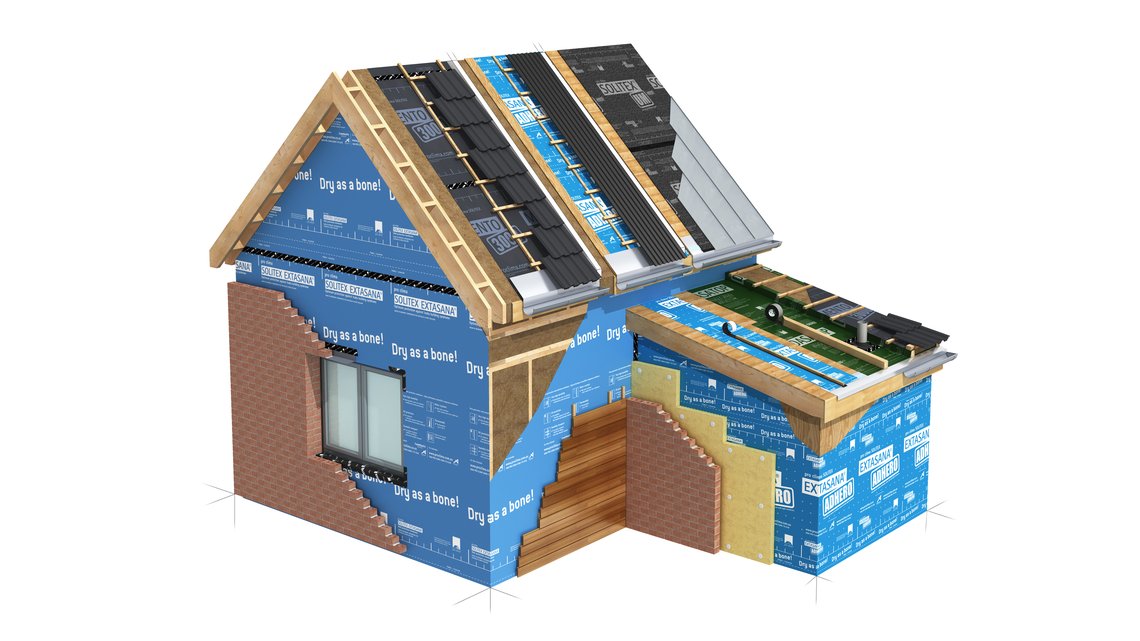
Pro Clima roof underlay and roofing membrane systems are designed to perform in the demanding weather conditions found across New Zealand. Our roofing underlay membranes, roof lining paper, and roofing separation mesh solutions provide a durable secondary weather barrier beneath roof cladding. These roof membranes help manage wind-driven rain, improve windtightness, and support proper moisture control within roof assemblies. With high vapour permeability and robust durability, our roof underlay membranes help create roof systems that stay dry and perform consistently over time.
Wall Underlay and Weather Resistive Barrier Systems
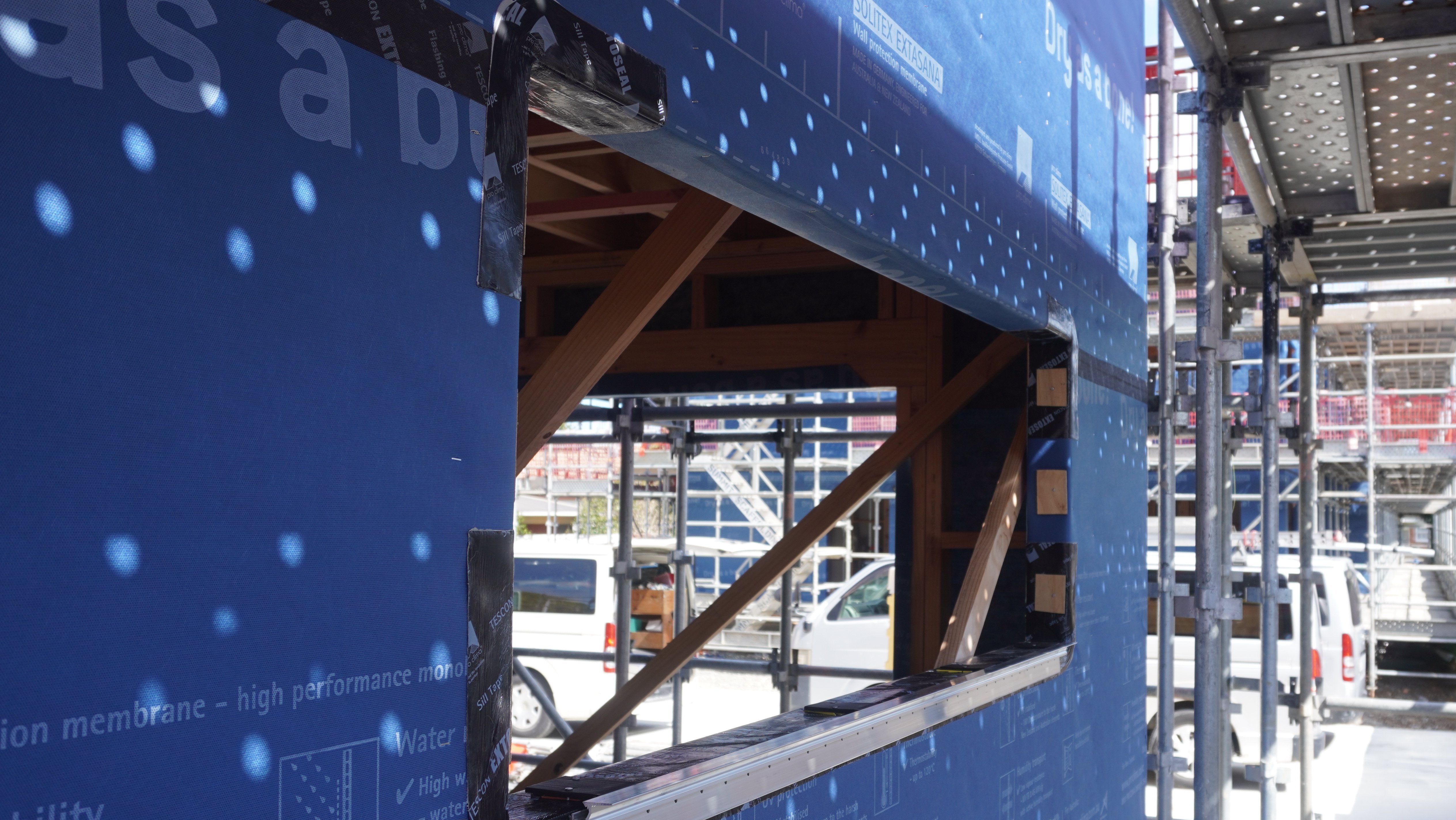
Pro Clima also supplies high-performance exterior wall underlay and wall wrap systems designed to protect wall assemblies from external moisture while supporting effective drying. These Weather Resistive Barriers act as a secondary line of defence behind cladding, helping manage wind-driven rain and air movement through the wall. Our underlay membranes are vapour open, allowing moisture within the structure to escape while maintaining a durable and reliable barrier suited to New Zealand’s variable climate conditions.
In real-world applications, a quality exterior underlay plays a key role in maintaining the integrity of the façade. When paired with correct cavity systems and cladding, these membranes help reduce the risk of trapped moisture, improve overall building performance, and support long-term durability. Pro Clima wall systems are designed to integrate with tapes, seals, and connection details, making it easier for builders and façade engineers to achieve consistent weathertightness across the entire building envelope.
Reliable Protection Beneath the Roof Cladding
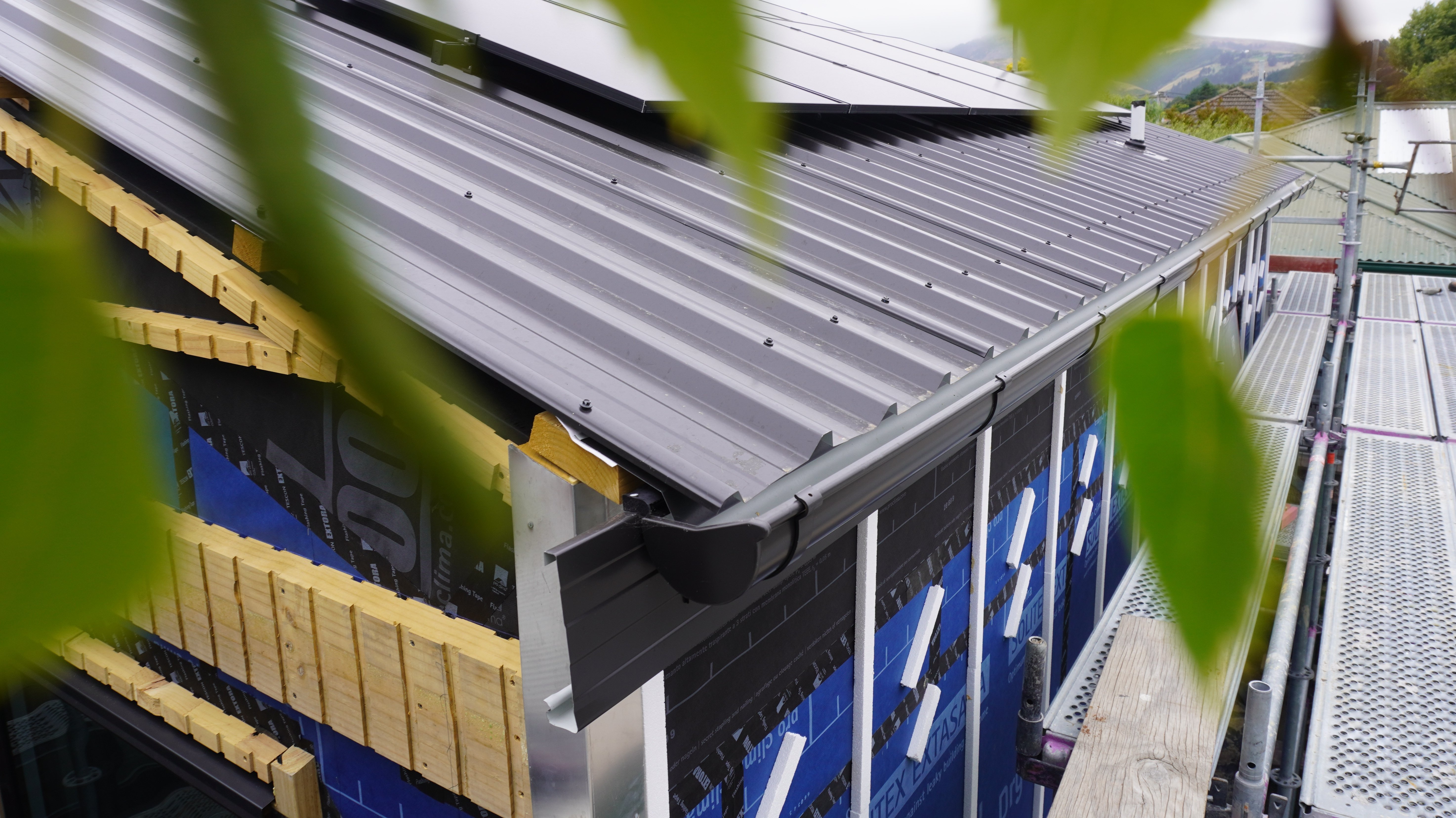
Roof cladding systems are exposed to significant wind pressure, temperature variation, and moisture throughout their lifespan. A high-quality roof underlay membrane acts as a critical secondary weather barrier beneath the roofing material. Pro Clima roofing underlay systems help prevent water ingress caused by wind-driven rain while allowing trapped moisture vapour within the roof structure to escape. This balance helps protect insulation, framing, and internal linings from moisture accumulation that can lead to long-term structural damage.
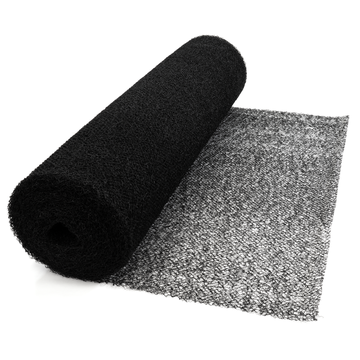
For builders and designers across NZ, the practical benefits are clear. Reliable roof underlayment and membrane systems help improve the durability of the roofing assembly while supporting better building performance overall. When used alongside appropriate roof ventilation, separation mesh and netting, these systems contribute to improved drying potential within the roof space. This helps maintain stable internal conditions while reducing moisture risk and extending the lifespan of the roofing system.
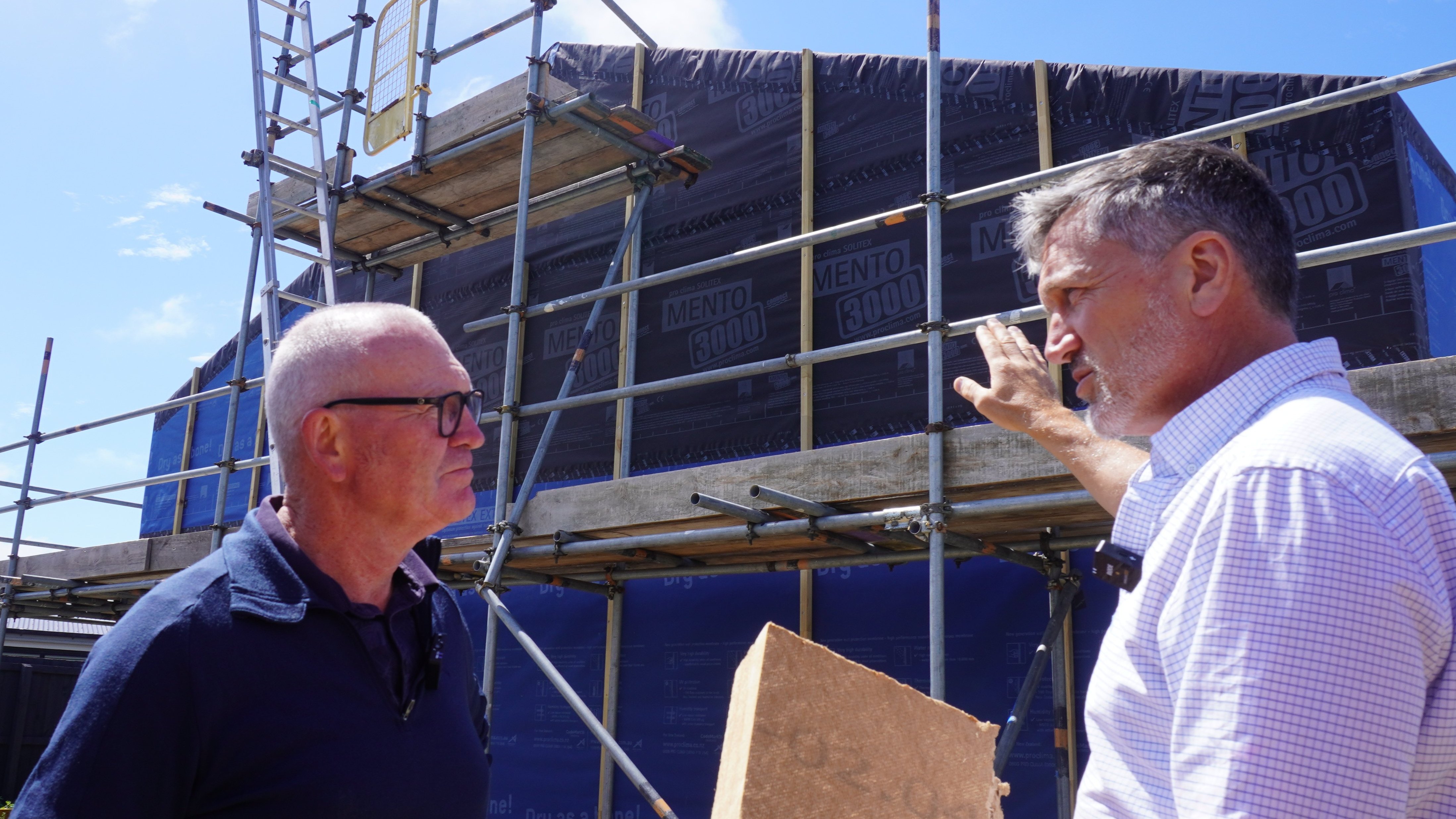
Designed for Builders and Roofing Professionals
Pro Clima’s roofing underlay membranes and roofing paper systems are designed with ease of installation in mind. The roof membranes are durable, lightweight, and easy to handle on site, helping NZ builders install a consistent weather barrier across the roof structure. Our roof underlay systems are compatible with a wide range of roofing materials and support both traditional and modern construction methods used throughout New Zealand. Alongside manufacturing and supplying products, Pro Clima also provides technical guidance, training, and on-site support to help teams achieve reliable weathertight roof assemblies.
Weathertightness FAQs
What is the difference between weathertightness and waterproofing?
Weathertightness is the ability of the whole building envelope to control and shed external moisture under expected conditions. A roof or wall underlay is better described as Weather Resistive Barrier (WRB) layer behind the roofing or cladding.
Waterproofing is a different role, usually involving water barriers like sub-grade tanking or waterproofing a bathroom floor, so the two terms shouldn't be used interchangeably.
What does windtightness mean on the outside of insulation?
Windtightness stops outdoor air washing through or behind insulation, which can reduce its thermal performance. A continuous exterior membrane with sealed laps and junctions provides windtightness while staying vapour-open, so the wall can dry outwards. It does not replace the separate interior airtightness and vapour control layer.
Which Pro Clima membrane is used for roofs and which is used for walls?
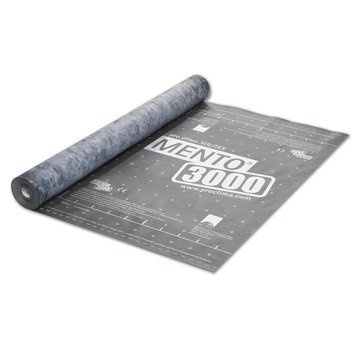
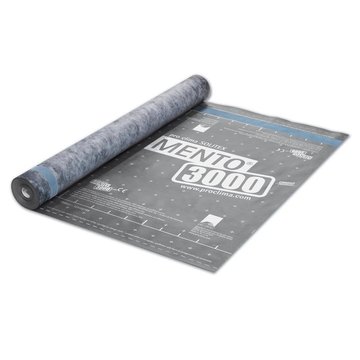
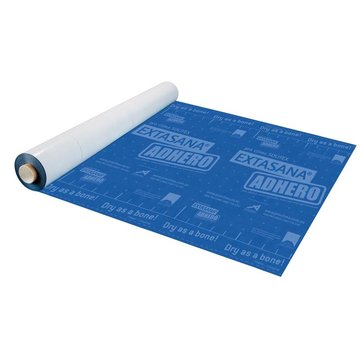
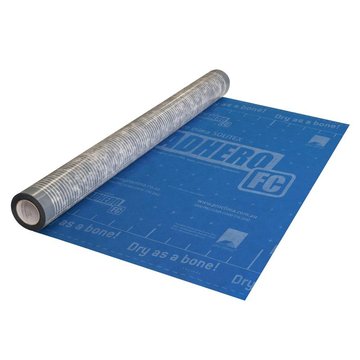
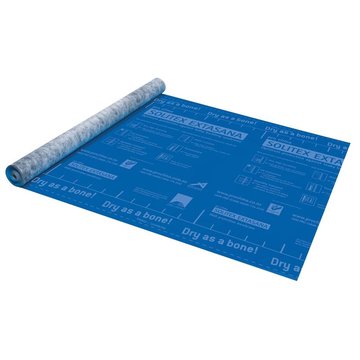
SOLITEX EXTASANA® is the flexible wall underlay, and SOLITEX MENTO® products are mainly roof underlays. SOLITEX MENTO® 3000 is also appraised as a wall underlay. SOLITEX EXTASANA ADHERO® is for rigid wall and roof substrates, and SOLITEX® UM connect is for fully supported metal roofing.
What is the difference between SOLITEX MENTO® 1000 and 3000?
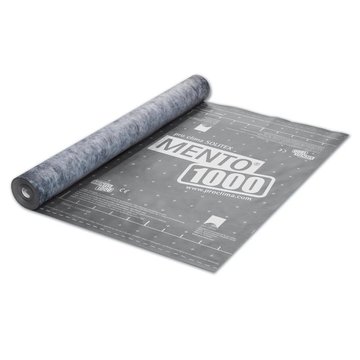
SOLITEX MENTO® 1000 is BRANZ Appraised as a roof underlay and can be exposed to UV for up to 30 days.
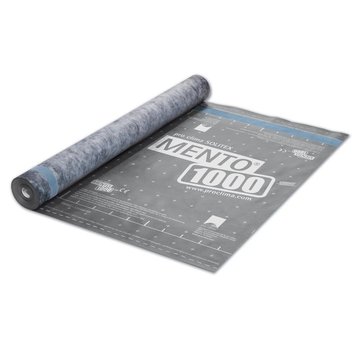
SOLITEX MENTO® 3000 is appraised as both a roof and a wall underlay and can be exposed for up to 90 days.
Can SOLITEX MENTO® 3000 be used as a wall underlay?
Yes. SOLITEX MENTO® 3000 can be used as a wall underlay within the scope of BRANZ Appraisal 855 (2025) and our current installation guide, which sets out the framing, cladding and wind zone conditions. Using one product for both the roof and the walls helps smaller projects avoid over-ordering and waste.
Can insulation touch the underside of SOLITEX MENTO® 3000 in a skillion roof?
Yes. Our SOLITEX MENTO® 3000 installation guide allows fibrous insulation to be installed directly against the underside of the membrane in a skillion roof. SOLITEX membranes are non-porous, so they won't wick moisture into the insulation. Instead, moisture vapour moves through the membrane along its polymer chains at a molecular level. For the highest confidence, reduce the moisture load entering the roof by installing a vapour control membrane, such as INTELLO® PLUS, on the underside of the insulation.
When should SOLITEX® UM connect be used under metal roofing?
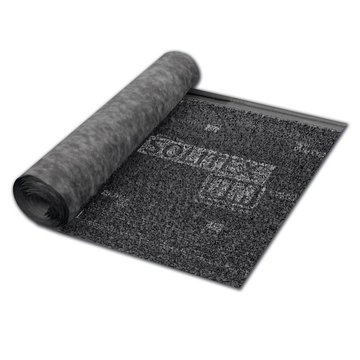
SOLITEX® UM connect is for fully supported metal roofing, such as standing seam. Its built-in three-dimensional separation layer creates a drainage and ventilation gap beneath the metal. It suits zinc, copper, stainless steel and galvanised steel roofing, within its stated performance limits.
When is a fully adhered membrane such as SOLITEX EXTASANA ADHERO® useful?
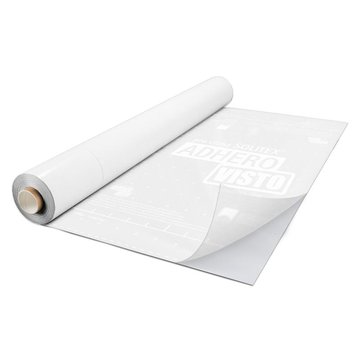
A fully adhered membrane is useful where the weather-resistive layer needs to bond continuously to a rigid wall, roof or mass timber substrate. SOLITEX EXTASANA ADHERO® can also provide temporary weather protection during construction. The substrate must be clean, dry and sound.
How long can Pro Clima roof and wall underlays be exposed?
Exposure times vary by product:
- SOLITEX MENTO® 1000: up to 30 days
- SOLITEX MENTO® 3000: up to 90 days
- SOLITEX EXTASANA® and SOLITEX EXTASANA ADHERO®: up to 180 days
These are maximum periods under the stated conditions, not ratings for permanent exposure.
How are roof and wall penetrations sealed without creating water traps?
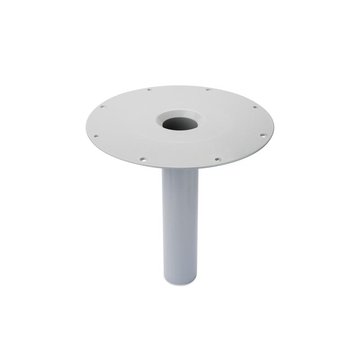
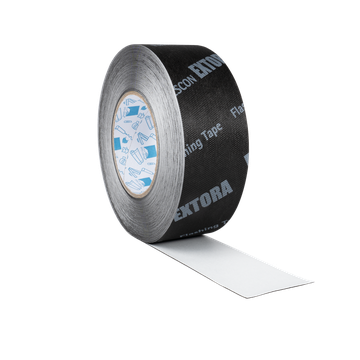
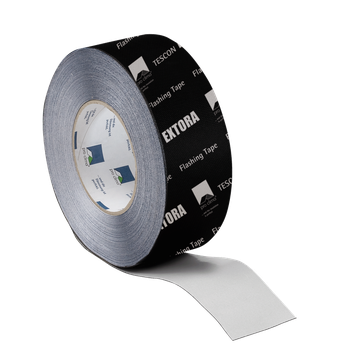
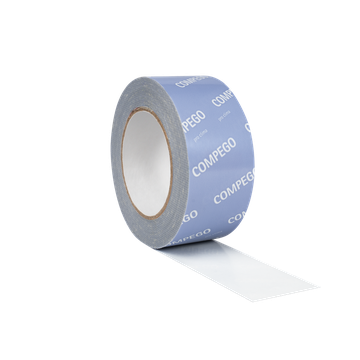
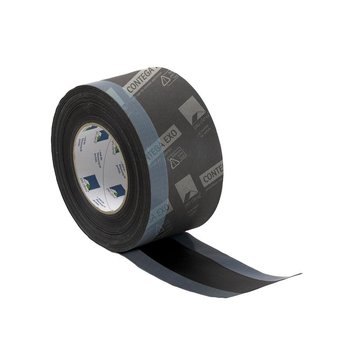
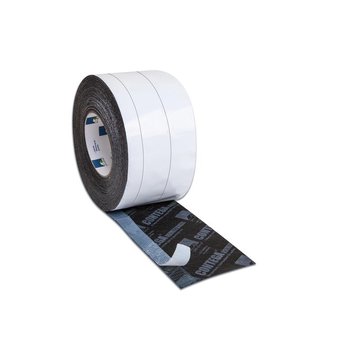
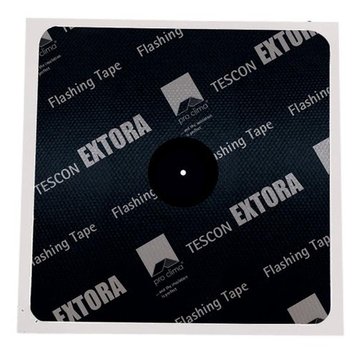
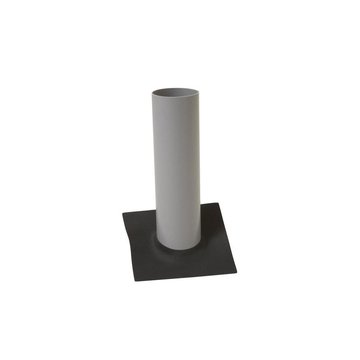
Use the specified tapes and grommets, and lap layers shingle-fashion so upper layers drain over lower ones. Use KAFLEX or ROFLEX for suitable services, TESCON EXTORA® for exterior connections, and TESCON NAIDECK for nail and screw penetrations. Follow the roof or wall installation guide for the product you're using.
Are Pro Clima underlays suitable for Extra High wind zones?
It depends on the product and assembly. The SOLITEX MENTO® appraisals cover specified roof applications up to Extra High wind zones. Under its Extra High CodeMark scope, SOLITEX EXTASANA® needs a rigid wall underlay and a drained cavity of at least 18 mm.
In the FORTX systems, SOLITEX EXTASANA ADHERO® has been tested to 3.5 kPa (SLS). Confirm the fixings, supports and framing for the project.
Do Pro Clima weathertightness products automatically comply with NZBC E2?
No. A single product cannot make a building comply with NZBC E2. Pro Clima's weathertightness products contribute to a building's performance. A current BRANZ Appraisal or CodeMark certificate supports a compliance pathway only within its stated use, scope and conditions. The rest of the design must also meet consent requirements: cladding or roofing, flashings, drainage, penetrations, installation, inspection and maintenance.
Protect Your Next Roof with Proven Underlay Systems
Explore our roofing paper underlay and membrane solutions available NZ wide, or speak with our team for technical guidance and product recommendations.